We remain fully operational. Our teams are working around the clock to ensure your deliveries continue safely.

DOWNLOAD THE APP


Customer Services
Copyright © 2025 Desertcart Holdings Limited
DOWNLOAD THE APP
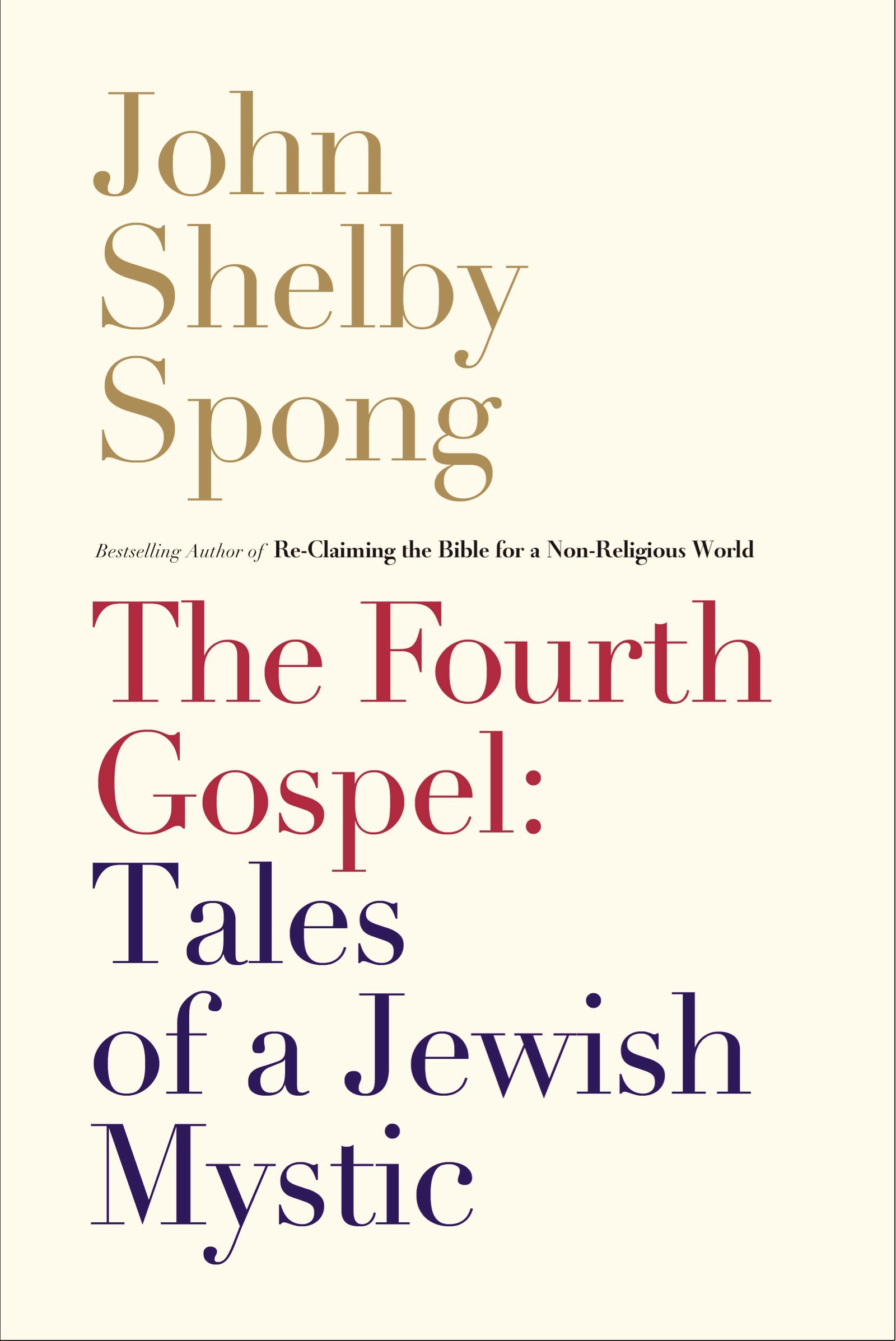
The Fourth Gospel: Tales of a Jewish Mystic [Spong, John Shelby] on desertcart.com. *FREE* shipping on qualifying offers. The Fourth Gospel: Tales of a Jewish Mystic Review: Key Insights Revitalize the Mystical Gospel of John - This is an excellent book. I highly recommend it for anyone who is ready to grow beyond overly literal interpretations of the New Testament. I too agree John's gospel was never intended to be a literal account. John is not speaking of dates and facts; John is speaking to the deepest *meaning* of what Jesus reveals to us in the experience with God. This is far, far more important than thinking of the New Testament as a historical account of events surrounding the life of Jesus (which is far too limiting). For me, +Spong has taken a gospel I didn't really know what to do with, and has transformed it from a late account of the story of Jesus (circa 95 ce) and one which emphasises blood sacrifice (blood of the lamb: Jesus' crucifixion being moved to take place at the same time the lambs were being sacrificed in the Temple for Passover), into a mystical understanding of the *meaning* of Jesus' life and ministry. (It is not at all about blood sacrifice!) Mysticism? A scary proposition for some. For good reason. Mystics write to convey an experience that cannot really be put into words; doing so greatly diminishes their experience, yet it is the best they can do to point us toward finding our own experience of which they write and have experienced. Thus, mystical accounts are difficult to grasp. They require a lot of work, in that we must learn to see with new eyes and hear with new ears. This is challenging and sometimes frightening. The unknown provokes fear, and mystics ask us to step with them into the unknown. But if one reads the Gospel of John through the lens of mysticism, and specifically Jewish mysticism of the 1st century, it really does reveal a great depth of meaning to the text. For modern Christians, this too is difficult, because few of us have any understanding of that perspective. +Spong helps us acquire this lens. And I find it extremely useful. The point really is "I am." That the Father is in Jesus, and we are in Jesus, and Jesus in us; thus, we are in the Father too. This is speaking to what the late Prof. Ron Miller called Unity Consciousness, and living on the rooftop garden of consciousness. The second coming is available to us, the breath of life, is available to us; these are transformative experiences which will change who we are, how we behave, and how we interact with others. +Spong offers a beautiful interpretation of the meaning of Jesus' life, as bringing the in-dwelling spirit into our consciousness, and into our lives. We need only learn to overcome our fear and survival-mentality, and walk though the door Jesus opens to us. And then we are to live our lives in such a manner as to help others take this same step, into the in-dwelling I AM. While +Spong never uses the term, those familiar with the Eastern Orthodox teaching of Theosis will find a lot of common ground in this book. Jesus showed us how to live in such a manner as to bring forth the in-dwelling spirit -I AM- and this is the Light we are being shown. Theosis is what the authors of the Gospel of John are trying to reveal to us. I'm sure this sounds all fuzzy and misty to some. I suppose it is. This is mysticism, after all. Words pale. That said, +Spong has provided me a number of key insights which I sincerely believe will help me advance my spiritual maturity. And I now have a way of reading the Gospel of John that will advance my spiritual maturity. Review: A compelling treatise!! - No matter what your opinion about John Shelby Spong's ideas and theology, he sure writes in such a compelling and entertaining way that it's hard to put the book down! This book gives a brand new and fresh insight into the Gospel of John that will be especially attractive to those who have given up on Christianity. Spong's insights offer a new way to interpret the Christian story that will be compelling to many of us in the "Church Alumni Association, and give us a way to believe in the transformative message of the Christian story again. Spong goes way beyond his primary thesis that the Gospel of John is not to be read literally, but symbolically. He supports his arguments with excellent Biblical scholarship that also incorporates ideas from his earlier books into this treatise. He not only presents many of the characters in John as symbolic literary creations or developments, but also finds new insights into history and theology by doing so. This book is compelling reading which will inspire those who have left the church because of the Church's adherence to dogmatic literalism. But the book will also disturb those who base their faith on the literal historical reading of the text. Either way, the book is never boring! I have only one criticism. Spong makes a clear argument in favor of the resurrection of Jesus as a non-literal, non-physical event. But he also implies an objective reality to resurrection that is clearly more than the disciples subjective experience. But he does not elaborate too much on what that objective event could be. He mentions that resurrection "means something" but does not speculate further on what that "something" is. He does mention entering into a "universal consciousness" or "entering into the life of God" and I would have loved to hear his personal speculation about this. I know it would be speculative, but I hope he addresses this more in his other writings. But this criticism does not diminish the profound insights found in the rest of the book. Some pages of this book dazzled me with insights that I have never even thought of before. He also offers new ideas about traditional biblical characters that create whole new meanings for the Biblical text. For that alone, I recommend this book.
| Best Sellers Rank | #801,937 in Books ( See Top 100 in Books ) #1,111 in New Testament Criticism & Interpretation #1,157 in Religion & Philosophy (Books) #2,014 in New Testament Commentaries |
| Customer Reviews | 4.6 4.6 out of 5 stars (481) |
| Dimensions | 5.31 x 0.83 x 8 inches |
| Edition | Reprint |
| ISBN-10 | 0062011316 |
| ISBN-13 | 978-0062011312 |
| Item Weight | 2.31 pounds |
| Language | English |
| Print length | 368 pages |
| Publication date | September 2, 2014 |
| Publisher | HarperOne |
E**R
Key Insights Revitalize the Mystical Gospel of John
This is an excellent book. I highly recommend it for anyone who is ready to grow beyond overly literal interpretations of the New Testament. I too agree John's gospel was never intended to be a literal account. John is not speaking of dates and facts; John is speaking to the deepest *meaning* of what Jesus reveals to us in the experience with God. This is far, far more important than thinking of the New Testament as a historical account of events surrounding the life of Jesus (which is far too limiting). For me, +Spong has taken a gospel I didn't really know what to do with, and has transformed it from a late account of the story of Jesus (circa 95 ce) and one which emphasises blood sacrifice (blood of the lamb: Jesus' crucifixion being moved to take place at the same time the lambs were being sacrificed in the Temple for Passover), into a mystical understanding of the *meaning* of Jesus' life and ministry. (It is not at all about blood sacrifice!) Mysticism? A scary proposition for some. For good reason. Mystics write to convey an experience that cannot really be put into words; doing so greatly diminishes their experience, yet it is the best they can do to point us toward finding our own experience of which they write and have experienced. Thus, mystical accounts are difficult to grasp. They require a lot of work, in that we must learn to see with new eyes and hear with new ears. This is challenging and sometimes frightening. The unknown provokes fear, and mystics ask us to step with them into the unknown. But if one reads the Gospel of John through the lens of mysticism, and specifically Jewish mysticism of the 1st century, it really does reveal a great depth of meaning to the text. For modern Christians, this too is difficult, because few of us have any understanding of that perspective. +Spong helps us acquire this lens. And I find it extremely useful. The point really is "I am." That the Father is in Jesus, and we are in Jesus, and Jesus in us; thus, we are in the Father too. This is speaking to what the late Prof. Ron Miller called Unity Consciousness, and living on the rooftop garden of consciousness. The second coming is available to us, the breath of life, is available to us; these are transformative experiences which will change who we are, how we behave, and how we interact with others. +Spong offers a beautiful interpretation of the meaning of Jesus' life, as bringing the in-dwelling spirit into our consciousness, and into our lives. We need only learn to overcome our fear and survival-mentality, and walk though the door Jesus opens to us. And then we are to live our lives in such a manner as to help others take this same step, into the in-dwelling I AM. While +Spong never uses the term, those familiar with the Eastern Orthodox teaching of Theosis will find a lot of common ground in this book. Jesus showed us how to live in such a manner as to bring forth the in-dwelling spirit -I AM- and this is the Light we are being shown. Theosis is what the authors of the Gospel of John are trying to reveal to us. I'm sure this sounds all fuzzy and misty to some. I suppose it is. This is mysticism, after all. Words pale. That said, +Spong has provided me a number of key insights which I sincerely believe will help me advance my spiritual maturity. And I now have a way of reading the Gospel of John that will advance my spiritual maturity.
F**H
A compelling treatise!!
No matter what your opinion about John Shelby Spong's ideas and theology, he sure writes in such a compelling and entertaining way that it's hard to put the book down! This book gives a brand new and fresh insight into the Gospel of John that will be especially attractive to those who have given up on Christianity. Spong's insights offer a new way to interpret the Christian story that will be compelling to many of us in the "Church Alumni Association, and give us a way to believe in the transformative message of the Christian story again. Spong goes way beyond his primary thesis that the Gospel of John is not to be read literally, but symbolically. He supports his arguments with excellent Biblical scholarship that also incorporates ideas from his earlier books into this treatise. He not only presents many of the characters in John as symbolic literary creations or developments, but also finds new insights into history and theology by doing so. This book is compelling reading which will inspire those who have left the church because of the Church's adherence to dogmatic literalism. But the book will also disturb those who base their faith on the literal historical reading of the text. Either way, the book is never boring! I have only one criticism. Spong makes a clear argument in favor of the resurrection of Jesus as a non-literal, non-physical event. But he also implies an objective reality to resurrection that is clearly more than the disciples subjective experience. But he does not elaborate too much on what that objective event could be. He mentions that resurrection "means something" but does not speculate further on what that "something" is. He does mention entering into a "universal consciousness" or "entering into the life of God" and I would have loved to hear his personal speculation about this. I know it would be speculative, but I hope he addresses this more in his other writings. But this criticism does not diminish the profound insights found in the rest of the book. Some pages of this book dazzled me with insights that I have never even thought of before. He also offers new ideas about traditional biblical characters that create whole new meanings for the Biblical text. For that alone, I recommend this book.
P**L
Very well written, I love every thing he writes and highly re come t to others
J**N
JSS takes us through the gospel of John, tracing it's original sources and identifying the roots of the symbolism and language in the Hebrew Bible. He sees the author as a Jewish mystic writing a literary masterpiece of spiritual insight. As he takes the reader through the gospel JSS shows how he believes the theology of this gospel gives us the basis of a reformed Christianity that can supercede that of Paul with its emphasis on original sin and the atonement, and point to a post-religious spirituality that is about life and love and community.
J**Y
The idea that "John" was written by one or more people with Jewish Mystical interests is fine with me, and I enjoyed his reasoning and background information. However Spong seems to think that almost everything in "John" is a myth and that seems excessive to me. I so much want "the Disciple whom Jesus loved" to be real in the form of Mary Magdalene. Maybe I read too much of the DaVinci Code. He made one little slip that I noted - page 33, and again on page 300 - the Dead Sea Scrolls were not found at Nag Hammadi in Egypt. They were found near Qumran in Israel. And The "Gospel of Thomas" was not part of the Dead Sea documents. But then the good part - I enjoyed Spong's spiritual conclusions. He is saying that "John" was explaining how to transcend our ordinary life and move into a more advanced reality. I would almost say that Spong has been reading "A Course In Miracles". When you read this book you need a Bible close by of course, but I think you also need a copy of "The Gospel of The Beloved Companion" by Jehanne de Quillan, which merges the Bible's Gospel of John with the Nag Hammadi Gospel of Mary (Magdalene). Great Book!
D**N
i liked the book i found the explanations and the logic very accceptable having spent one year in the middle east [1970] i had an excellent tutor in father Godfrey, the historian for the Fransiscans, i have some alternate explanations for a few details but in general i found the book very worth the three reads i gave it i have purchased a copy so i can reread and loan it to friends some people will have extreme difficulty accepting his explanations as a life long anglican i would have had trouble but for my middle east tuttallage highly recommend the book to all serious thinkers
P**Y
This is not for the faint-hearted, For years I could not enjoy John because I felt that his Gospel did not portray the real Jesus but now I can enjoy it not as a gospel but as an ongoing meditation of a Palestinian Jewish Christian. Reading it as such I can make sense of it and enjoy it as a mediation
Trustpilot
5 days ago
2 months ago